
Honoring traditional tobacco

Tobacco has been a sacred medicine long before the invention of cigarettes. Learn more about its origins and uses.

Traditional tobacco

Honoring traditional tobacco

What is traditional tobacco?

Many Tribes across North America cherish tobacco as a sacred plant medicine.

Traditional tobacco includes tobacco plants and other natural materials that Tribal members prepare for ceremony, healing, prayer, and other cultural practices. Not all Tribes use tobacco in their traditions. For those that do, stories teach that the tobacco plant is a gift from the spirit world.

This gift helps guide the relationship between Indigenous people, the land, and all of creation. These teachings have been shared for generations and are still practiced today.

What teachings do you carry with you?

Keep tobacco sacred

Prayers up, tobacco down

“Don't let the stories burn the way the totem poles did. Pass them down, exactly as they were given to you, so we don't lose them, and so we don't make the same mistakes again.”

I grew up hearing “prayers up, tobacco down” without ever being taught what it truly meant, so I held onto it through memory instead: my great-grandfather's pipe, my grandmother's blanket, the stories told at every potlatch. Now I pass those same stories to my own children, exactly as they were given to me, so nothing gets lost the way our totem poles were.

This is about: Traditional tobacco and stories carried through generations

Next step: Support for your next step
What do we mean when we say tobacco?

There are more than 70 types of tobacco plants that are native to Northern and Central America.

Most often, people are referring to one type called Nicotiana tabacum. This plant is commonly used to make commercial tobacco products. It is important to know the difference between traditional tobacco and commercial tobacco.

Traditional tobacco is not made or changed by the tobacco industry. It does not contain chemicals or additives.

Uses for traditional tobacco vary from Tribe to Tribe. It is often used in ceremonies and healing practices to support physical, spiritual, emotional, and community health. Tobacco may be offered to the Creator, or to a person/place as a sign of gratitude. Some tribes teach the smoke from burning tobacco carries prayers into the spirit world.

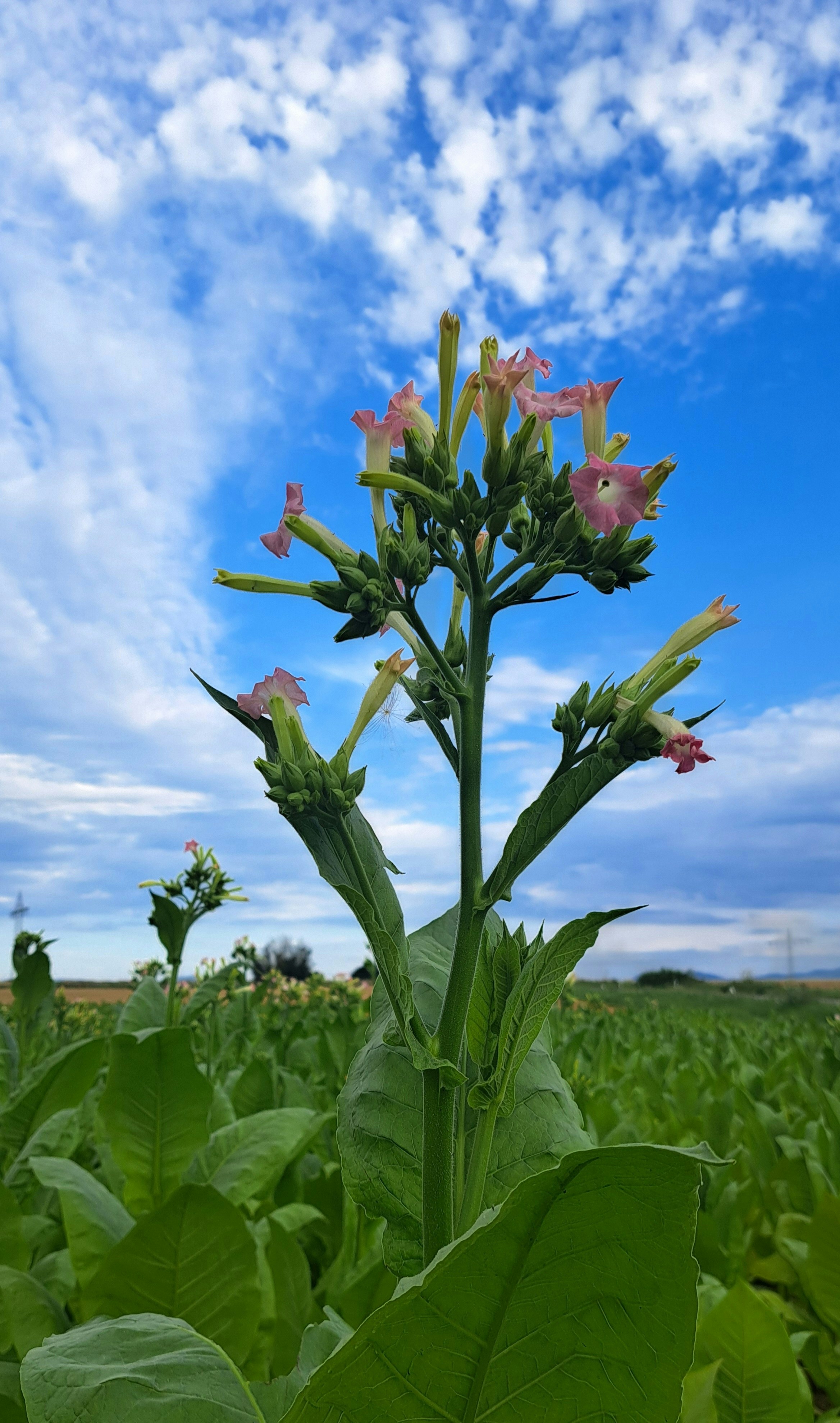
A flowering tobacco plant with pink trumpet-shaped blooms standing above a field of broad green leaves.
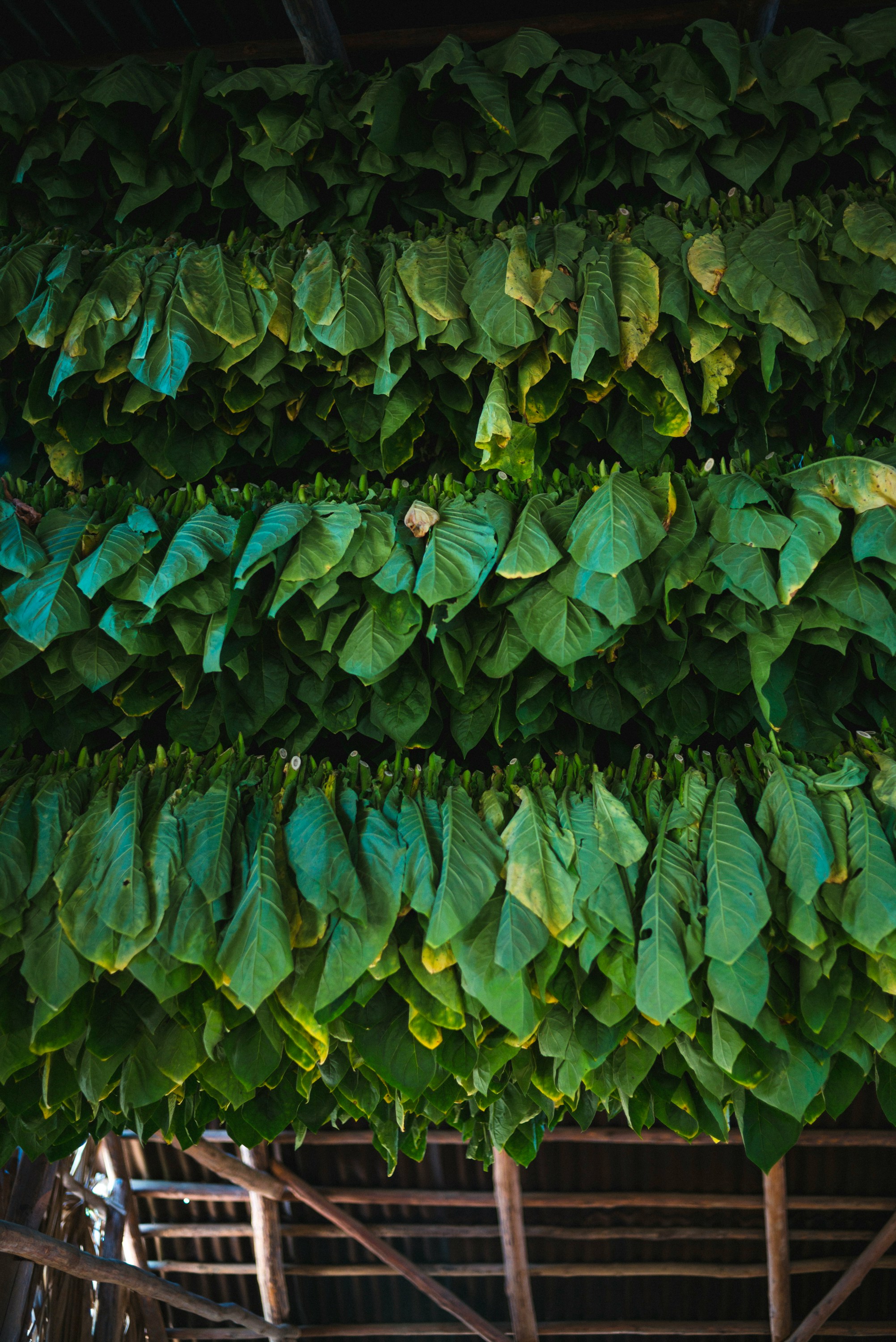
Rows of green tobacco leaves hang from horizontal poles inside a wooden barn.

Traditional tobacco
vs. commercial tobacco

Traditional tobacco is usually prepared by hand and offered with care. It may be burned in a fire or smoked in a pipe, but the smoke is usually not inhaled. Tobacco may also be used as an ingredient in smokeless remedies including teas, salves, and poultices.

It is important to consult knowledge holders and Elders’ advice when using tobacco in mixtures – both smoking and smokeless.

Traditional / sacred tobacco

  • Sacred in many communities; can be used as medicine and for ceremony, prayer, healing, and cultural practices.
  • Teachings vary by Tribe, family, and community (and not all Tribes use tobacco).
  • Often prepared by hand and used with intention—sometimes offered as a sign of respect or gratitude.
  • Smoke (if used) is usually not inhaled; may also be part of smokeless remedies (varies).
  • Guidance from Elders/knowledge holders matters most.

Commercial tobacco

  • Made by companies and sold for profit, mass-produced and marketed to increase use.
  • Often includes added chemicals/additives and is designed to be more addictive.
  • Can harm health and is the focus of quitting/cut-back support.
  • 7,000 chemicals are made when commercial tobacco burns; 70+ of those chemicals are known to cause cancer.
  • Many of these chemicals are the same ones found in car exhaust, paint strippers, and batteries.

Keeping tobacco sacred is about protecting its purpose, in many communities, traditional tobacco is connected to prayer, offering, healing, and showing respect. Here are a few gentle ways to think about “keeping tobacco sacred.” These are general and can be changed to match local teachings.

Use with intention.

  • If tobacco is used, it is often used for a reason, such as prayer, gratitude, or asking for guidance.

Use in a respectful way.

  • Some teachings include offering tobacco when welcoming guests, giving thanks, or asking someone to share wisdom or pray.

Remember that tobacco is not only for smoking.

  • In some teachings, tobacco may be placed in a fire during prayer. Traditional tobacco use does not always involve inhaling smoke.

Move slowly if you are reconnecting.

  • If you did not grow up with these teachings, that is okay. You can start with learning and listening, and you can ask questions when it feels right.

Follow community guidance when it is available.

  • If you have access to Elders, cultural teachers, or local traditional medicine practitioners, their guidance matters most.

Protect what is private.

  • Not everything is meant to be shared publicly. It is okay to keep details of teachings and practices within your family or community.

Do not mix sacred use with commercial use.

  • Commercial tobacco is made by companies and includes many harmful ingredients. It is designed to keep people using it. Keeping tobacco sacred can mean keeping a clear separation from commercial tobacco habits.

Keeping tradition alive

Learn about the power of traditional tobacco
and reconnect with your community.